
Take the scenic route through Mariposa County
For 100 years, Highway 140 has connected travelers with Yosemite National Park, winding from the Sierra foothills through historic communities, along the Wild & Scenic Merced River and into Yosemite Valley.
Originally known as the “All-Year Highway,” the route opened in 1926 and helped establish Mariposa as an important gateway to Yosemite. A century later, the road still offers something special: a chance to slow down, explore along the way and experience the journey as part of the adventure.
Celebrate the centennial with a road trip along Highway 140. Discover historic towns, riverside recreation, spring wildflowers, fall harvests, local food and drink, and plenty of reasons to make the journey part of your Yosemite getaway.
A Road With a Story

Long before Highway 140 became a scenic route into Yosemite, the Merced River corridor was a passage through the Sierra foothills, connecting communities and providing access to the region’s rich natural resources.
The Gold Rush brought prospectors and new communities to the region, helping Mariposa County grow into an important center and gateway to Yosemite. By the 1870s, communities were competing to build the best route into Yosemite Valley and capture the growing tourism trade. As automobiles transformed travel in the early 20th century, that race continued. In 1924, construction began on a new route designed for more practical, year-round automobile access. On July 31, 1926, Highway 140 opened as the “All-Year Highway,” transforming travel to Yosemite with a reliable connection between the Central Valley, Mariposa and the national park. Built along the Merced River and through the dramatic foothill and canyon landscape, it ushered in a new era of travel and eventually surpassed the railroad as the primary way visitors reached Yosemite. Today, remnants of that history, including the former Bagby Station in El Portal, remain part of the journey.
Today, much of what makes the route memorable remains unchanged. The highway follows the Merced River through a dramatic canyon, passes historic communities and opens into the mountains toward Yosemite. Along the way, there are trails, picnic spots, museums, and original relics of the railroad, and scenic places worth pulling over to explore.
The Journey Is the Experience

Highway 140 isn’t simply a way to get to Yosemite. It is a road trip in its own right.
Start in the foothills and watch the landscape transform as you travel east. Explore Catheys Valley, with its open ranchland and spring wildflowers. Stop in historic Mariposa to browse local shops, explore the Mariposa Museum & History Center, discover the rich heritage of rock climbing at the Yosemite Climbing Association Museum, and enjoy a meal at a family-owned and operated local restaurant. Continue toward Midpines and Briceburg, where Highway 140 meets the Merced River and the landscape becomes increasingly rugged and scenic.
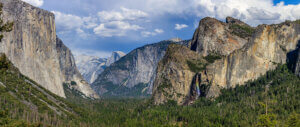
From there, Highway 140 follows the river through the canyon toward El Portal and Yosemite National Park, entering through the historic Arch Rock entrance. As the road curves through the corridor, the first iconic sight is El Capitan, rising dramatically to the left, while nearby Bridalveil Fall comes into view through the forest to the right.
And because this is the All-Year Highway, there’s no single season to experience it. Spring brings wildflowers along the river canyon, fall brings crisp days and harvest-season color, and winter offers a quieter way into Yosemite when higher-elevation routes can experience more challenging conditions.
Make a Road Trip of It
Planning a fall getaway? Follow our Highway 140 road trip itinerary for a day of harvests, history, fall color and Yosemite. From the foothills to the Valley, discover charming communities, local farms, museums and cideries along the way.

Fall is made for slowing down. Follow Highway 140 through golden foothills and historic communities, explore downtown Mariposa, visit local museums and experience the agricultural side of the county at Happy Goat Yosemite or Sierra Cider Farm and Cidery.
Make time for orchard visits, locally made cider, fall color and a full day in Yosemite before returning to the foothills for a relaxed evening.
Stops Worth Making Along the Way
The best Highway 140 road trips aren’t about getting there as quickly as possible. Give yourself time to stop, wander and explore.
Historic Mariposa


Step into California’s Gold Rush history in Mariposa, the historic county seat and one of Highway 140’s most important gateway communities to Yosemite. Stroll its historic downtown, browse locally owned shops and galleries, explore the Mariposa Museum & History Center, and discover the region’s rich climbing heritage at the Yosemite Climbing Association Museum. Stay for a locally sourced meal at a family-owned restaurant, grab a drink or spend the night before continuing your journey toward Yosemite. With history, culture, food and local character around every corner, Mariposa is a stop worth lingering over.
Midpines


Slow down and explore the communities and landscapes where Highway 140 meets the Merced River. In Midpines, Yosemite Bug Rustic Mountain Resort offers a memorable place to rest, enjoy a meal or unwind with a massage at its hillside spa. Along the river, Briceburg provides access to hiking, swimming holes and river recreation, as well as the dramatic scenery of the Merced River Canyon. Whether you’re looking for adventure or a place to linger a little longer, this stretch of Highway 140 offers plenty of reasons to get out of the car and explore.
Merced River Canyon


Follow Highway 140 alongside the Wild & Scenic Merced River as it winds through a dramatic canyon carved into the Sierra foothills. The river is the centerpiece of the journey, with opportunities to stop for a picnic, hike, enjoy the water, spot wildlife or simply pull over and take in the scenery. With its rugged granite walls, rushing river and ever-changing landscape, the Merced River Canyon is one of the most memorable stretches of the road to Yosemite, and a destination worth slowing down to experience.
Hite Cove


In spring, Hite Cove becomes one of the Highway 140 corridor’s signature destinations, with spectacular wildflower displays carpeting the Merced River canyon. The Hite Cove Trail follows the South Fork of the Merced River, passing through fields of poppies, lupine and dozens of other wildflower varieties before continuing toward the remains of the historic Hite Mine.
El Portal


Known as the “portal” to Yosemite, El Portal sits along the Merced River just outside Yosemite National Park and about 3.5 miles from the Arch Rock Entrance. Once a bustling stage stop and the terminus of the Yosemite Valley Railroad, El Portal still offers a glimpse into Yosemite’s early tourism history, with historic railroad equipment on display. Today, visitors can stop for a meal, explore the river corridor, picnic, or simply slow down and take in the scenery before continuing into Yosemite.
Yosemite


The journey along Highway 140 culminates in Yosemite National Park, where the Merced River guides travelers into the iconic Yosemite Valley. From the historic gateway communities to towering granite cliffs, waterfalls, and fall color, the route offers a memorable way to experience Yosemite, not simply as a destination, but as the final chapter of a road trip that began 100 years ago.
Your Highway 140 Road Trip Starts Here

Whether you’re looking for spring wildflowers, fall harvests, a winter escape or simply a scenic road trip through the Sierra foothills, Highway 140 offers plenty of reasons to take your time.
Choose a season. Leave room to explore.
- September 17, 2026100 Years of Highway 140: The All-Year Highway to YosemiteExplore Highway 140 to Yosemite, with scenic foothills, historic towns, local experiences and plenty of places to stop and explore along the way.Read More

- August 19, 2026Yosemite’s Off Season Travel | Late Summer & Early FallExperience the beauty of Yosemite during off-season. Shoulder season travel in Yosemite refers to late summer and early fall when there is mild weather, more breathing room on the trails, and budget-friendly options - perfect for your next outdoor adventure. Plan your next Yosemite trip during low season using these recommendations.Read More
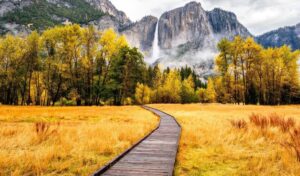
- July 16, 2026Tips to A Great Yosemite Summer VisitPlan your Yosemite summer getaway with tips on exploring Hetch Hetchy, Yosemite Valley, Tioga Road, and relaxing by the Merced River.Catch these must-know tips to make the most of your time in Yosemite.Read More